
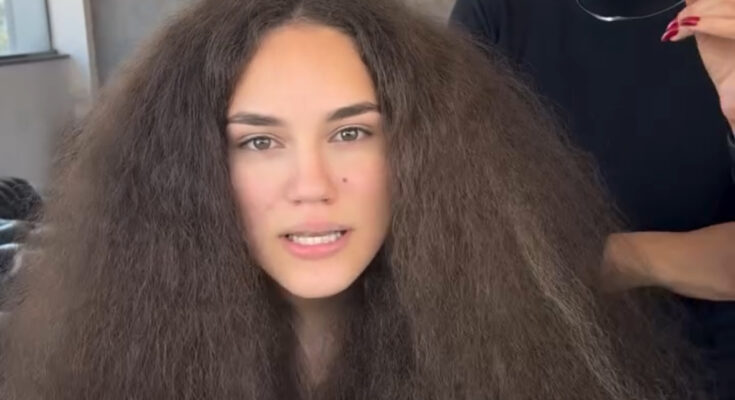
When she decided to go blonde at just fourteen, it felt like a tiny rebellion and a very big decision all at once. She had been hovering between impulse and intention for weeks, clipping out pictures from magazines and saving looks on her phone. At school she had been the sort of kid who blended into the background—not because she wanted to, but because blending felt safer. The blonde wasn’t meant to be an act of defiance so much as a test: could she change something about herself and like the person who looked back?
The transformation was truly striking. The first time she saw her reflection after the stylist finished, she almost didn’t recognize the girl staring back. Her hair went from a muted brown that curled into her shoulders to a sunlit, honey-blonde that framed her face and seemed to lift everything about her. Light bounced off the new color in a way it never had before; even in the soft classroom fluorescents, her hair caught and threw warmth. It was as if someone had taken the familiar lines of her face and colored them with a little more confidence.
People noticed right away. Her teachers, who had always taken her for a docile presence in the back row, did double-takes when she stepped into class. Friends who had known her since kindergarten laughed and hugged her, saying things like, “You look so grown up!” and “Where did you get so brave?” Even the barista at the local café, who usually barely made eye contact, gave a surprised smile and a compliment as he handed over her drink. The change in attention wasn’t always dramatic or loud—more often it was a soft recalibration of how others oriented themselves toward her. Conversations started differently; strangers treated her with a small, automatic respect that previously had been absent.
There was something about the color that suggested maturity. Blonde hair, particularly when it’s styled and maintained, carries associations—fashion magazines, polished public figures, a kind of curated elegance. For a fourteen-year-old whose voice still sometimes cracked on the phone, the blonde gave an illusion of poise. Parents at school pick-ups nodded appreciatively in a way that seemed almost unconscious, and some classmates who had previously treated her lightly now asked for her opinions on projects or group work. To them, the hair seemed to signal that she could hold herself, that she belonged to a slightly older, more assured category.
That perception shift affected her own posture too. In the weeks after her appointment she straightened her shoulders in photos without thinking about it; she practiced a small, measured laugh that felt less like a plea for acceptance and more like an offering. She began layering garments differently—swapping an oversized hoodie for a fitted blazer on days when she wanted people to notice. Her makeup stayed minimal, but she invested in a couple of good skincare products and a subtle highlighter that made her cheekbones stand out. These weren’t dramatic reinventions so much as tiny refinements that together created a more elegant, captivating version of herself.
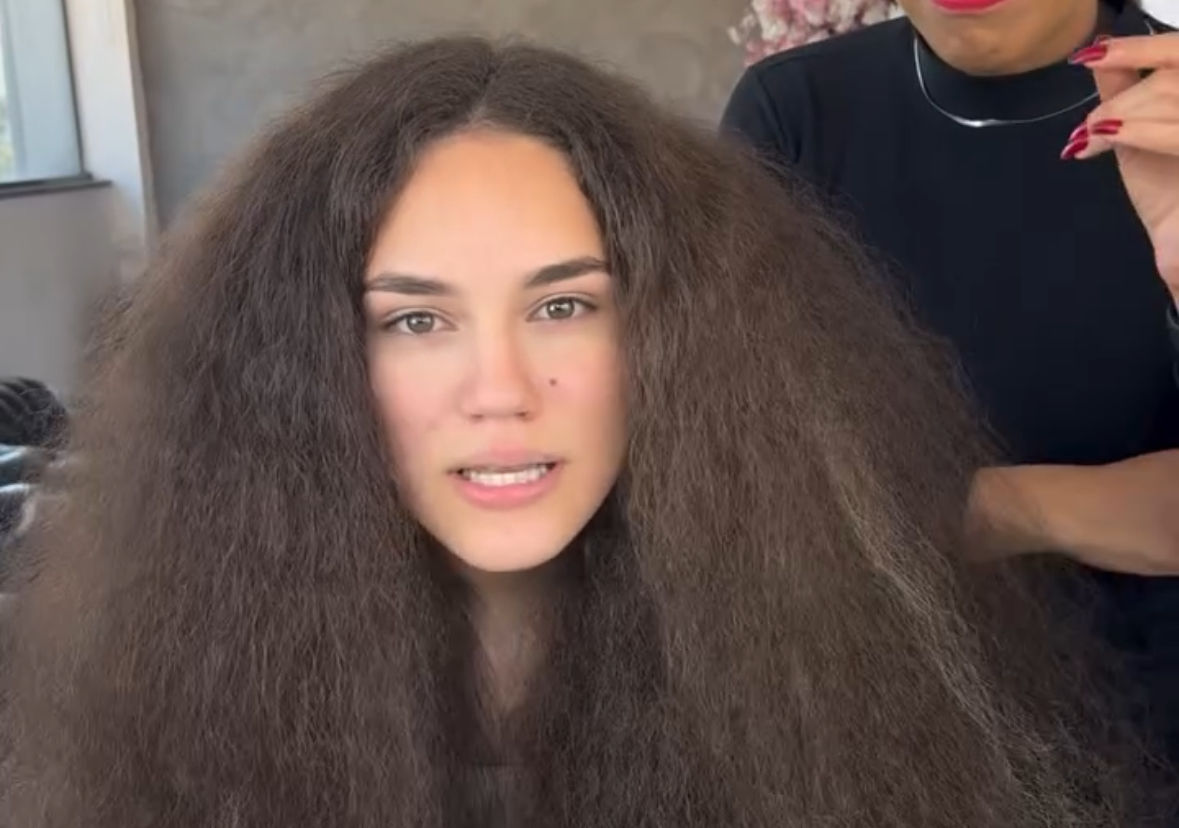
Concrete moments made the change feel real. At a family dinner, an aunt who rarely complimented anything paused to say, “You look so elegant,” and her parents exchanged a look that was half surprise, half pride. One of her friends confided that they’d always thought of her as “the quiet one” but the blonde made them realize she had a steely confidence they’d overlooked. In class, a group leader asked her to take charge of a presentation—something she’d never been asked before—and she agreed without the stomach flip of anxiety she used to get. These small shifts in how people treated her had a cumulative effect: they reinforced the sense that the new hair color wasn’t just cosmetic but part of a larger reconfiguration of how she moved through the world.
Naturally, the choice raised questions. Fourteen is young, and parents, guardians, and teachers often worry about whether a teenager is ready to make decisions they may later regret. Would you allow your daughter to make a similar transformation at this age? The answer depends on many things—the maturity of the child, the reasons behind the choice, the quality of supervision and care during the process, and the expectations set before and after. Some parents might say no outright because of the practicalities: hair treatments can damage delicate young strands, and the upkeep—root touch-ups, toning, and special shampoos—can be costly and time-consuming. Others might see it as an opportunity for self-expression and growth, an experiment in identity that can be safely guided.
In her case, the decision came with conversations and compromises. Her mother insisted on waiting until summer break to avoid the stress of school gossip and to allow time for recovery from the bleaching process. They researched salons, asked for references, and scheduled a consultation so the stylist could explain the risks and the aftercare. They set boundaries about maintenance and cost-sharing. This kind of responsible planning made the transformation less like a capricious act and more like a carefully managed step toward independence.
Ultimately, the result was remarkable not simply because she looked different, but because the change revealed something that had always been there—an edge of courage that hadn’t yet found an expression. The blonde did more than alter her appearance; it shifted the way she and others perceived her potential. It proved that small acts of bravery, when thoughtfully undertaken, can lead to surprising and inspiring outcomes. Whether you’d allow your child to take that step is a personal judgment, but the lesson remains: sometimes trying something new opens a door to parts of ourselves we didn’t know were waiting on the other side.