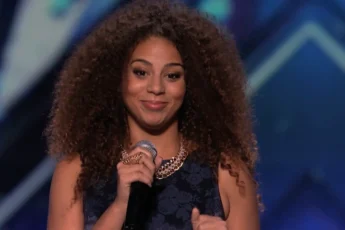

When Sydnie Christmas stepped onto the Britain’s Got Talent stage in 2024, there wasn’t a trace of flashy bravado or a rehearsed gimmick to announce her arrival. She walked out with a simple grace — calm, a little nervous, clutching the microphone like any earnest performer — and the kind of confidence that comes from knowing you have a story to tell rather than a persona to sell. It set a quiet expectation in the room: this wouldn’t be about spectacle. It would be about the song.
She chose “Tomorrow” from Annie, a number every theatre kid knows inside out and every talent-show viewer has heard one too many times. The tune can feel trite or saccharine when presented plainly, and in the world of talent shows, familiar musical theater pieces often risk blending into a sea of safe choices. But even before she sang a full line, there was something in Sydnie’s posture and the way she inhaled that suggested she wasn’t looking to rehash the well-worn arrangement. She wanted to make it her own.
From the very first note, that intention became clear. Her voice arrived warm and theatrical, but never overwrought — a blend of controlled technique and raw feeling. Instead of going for showy runs or exaggerated vibrato, she let the melody breathe and colored each phrase with subtle dynamics. When she hit the chorus, the sound swelled naturally, building toward the bigger moments without ever feeling manufactured. The familiar words took on new weight; a lyric that might have once sounded corny in another singer’s mouth suddenly felt honest and urgent.
The audience’s reaction was immediate. There are those rare performances that make the room collectively shift forward, a slight leaning-in as people try to catch every nuance. You could see that happening: strangers exchanging glances, hands covering mouths in surprise, someone in the front row whispering to their neighbor. The judges’ faces told the rest of the story. What began as polite curiosity softened into fascination, then into open admiration. Amanda Holden, known for her quick, expressive responses, watched with her fingers hovering over the Golden Buzzer — the telltale sign that something special might be unfolding.
Sydnie’s approach to the song was as smart as it was emotional. She didn’t attempt dramatic, unnecessary high notes. Instead, she focused on storytelling. She lingered on lines in a way that suggested lived experience rather than a rehearsed moment, and she used tiny shifts in tone to underline different parts of the lyric. In the quieter sections her voice was intimate, almost confiding; in the crescendos it became full-throated and commanding. That contrast made the climactic parts feel earned rather than thrown on for effect.
Small, concrete details made the performance feel cinematic. When she stepped forward during the bridge and softened her delivery, a hush fell over the audience that exposed the vulnerability in her voice. As she expanded again into the final chorus, the theatre filled with a bright, resonant sound that seemed to glide up through the balcony and back, creating a ripple of applause even before the last note faded. A few rows from the stage, people were wiping their eyes; on the judges’ panel, smiles and open mouths betrayed the emotional impact.
There’s an alchemy to turning a familiar tune into something fresh, and Sydnie had it. The choice of “Tomorrow” might have seemed risky given how often it’s performed, but that risk paid off precisely because she treated the song as a vehicle for storytelling rather than a showcase for vocal fireworks. She trusted the material and trusted the audience to feel what she felt. That trust translated into authenticity, and authenticity is what talent shows — and viral moments — crave.
When she finished, the applause was immediate and sustained. It wasn’t just polite clapping; it had the energy of a room moved as one. People stood, some who moments earlier had been skeptical, now on their feet, thunderous in their approval. Amanda Holden didn’t hesitate. In a flash of decisive joy, she stood and slammed the Golden Buzzer. A cascade of gold confetti exploded onto the stage, showering Sydnie and turning the moment into the kind of television magic that makes for clips replayed across social feeds for days.
That instant encapsulated the twist that gives talent shows their enduring appeal: a well-known song made wholly new by a performer no one expected to own it. Sydnie’s audition had all the elements of a standout — a calm presence, a carefully chosen arrangement, a voice that could bridge theatrical warmth and pop sensibility — and then one unmistakable, spontaneous reaction that turned the performance into something bigger. In a season full of hopefuls and highlight reels, that second-long decision by Amanda Holden elevated Sydnie into a must-watch character of the series.
After the confetti settled and the judges offered their praise, the real takeaway was simple: moments like these remind viewers why live performance still matters. It isn’t always the flashiest technique or the most viral-ready staging that wins hearts; sometimes it’s the quiet courage to let a song speak for you, and the rare ability to make an old favorite feel like it’s happening for the very first time. For Sydnie Christmas, a single well-sung “Tomorrow” did more than wow a theatre; it turned a familiar melody into an unforgettable moment.