
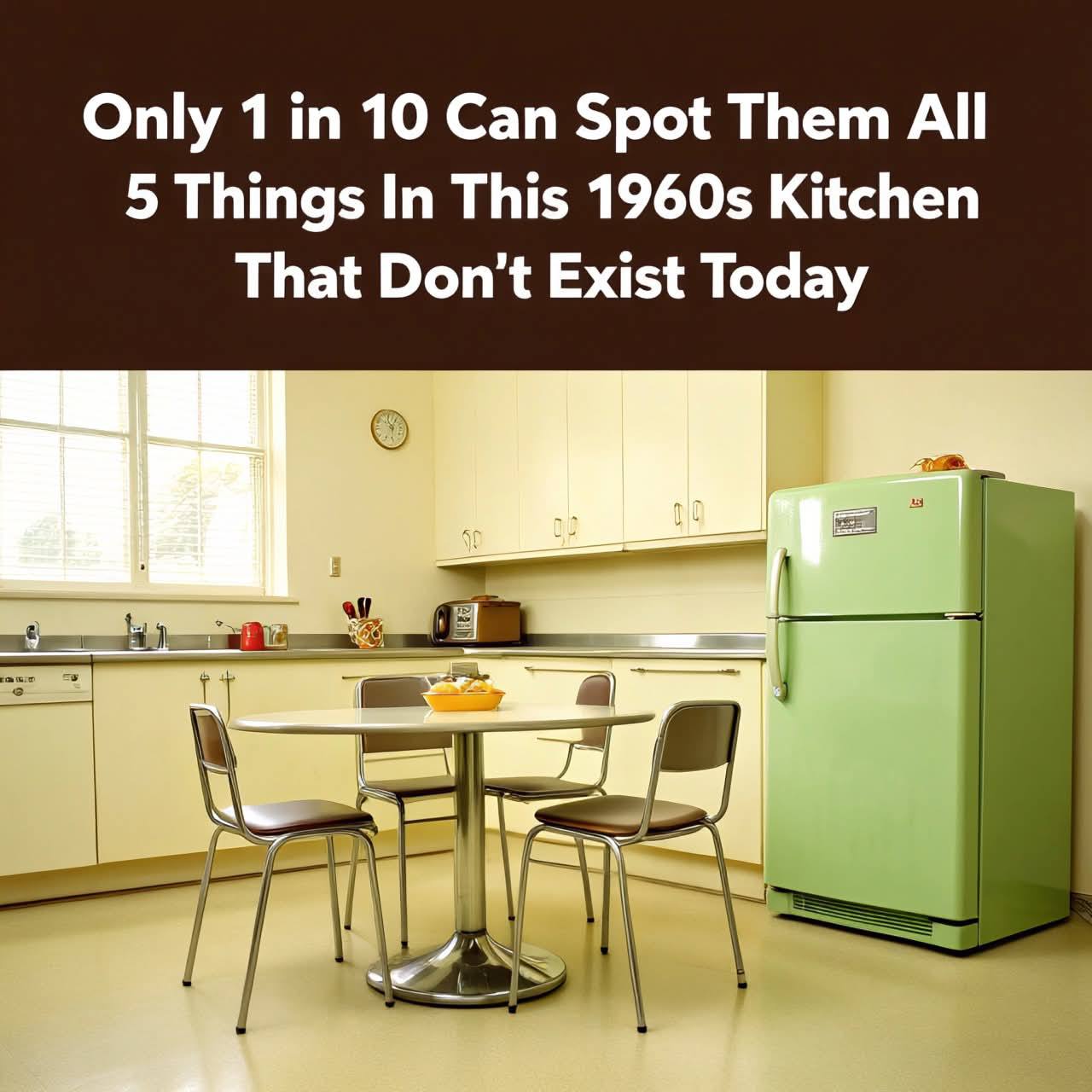
Your Grandma’s Kitchen! 🧐 Only 1 in 10 can spot all 5 things in this 1960s kitchen that you won’t find today. Can you find them all? Comment below 👇 Tag someone who remembers ❤️ Answer in first comment 👇 #nostalgia #1960s #vintage #thenandnow
This was the heart of the home — the room your mother tidied first and the place everyone was expected to appear at 6 p.m. sharp. Radios whispered the day’s news and crooned popular tunes while the kettle hissed and the hum of the refrigerator was background comfort. It was a place of rituals: homework at the Formica table, sticky fingers reaching into the glass cookie jar, and the porch light cutting a square of safety around the milk box at dawn. Look closely at this photo and you’ll see five vanished pieces of everyday life, each one a small time machine to a softer, slower world.
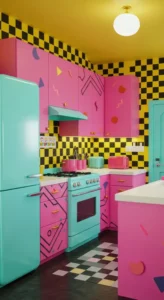
First, the turquoise or pink appliances. These weren’t just utilitarian boxes; they were declarations of style. Refrigerators and stoves arrived in pastel teals, buttery yellows, and bubblegum pinks — colors that made the kitchen feel like a cozy diner. They were heavy, metal beasts built to last decades, not disposable units traded in at the first sign of trouble. The enamel finish held up to scrubbing, and those rounded edges and chrome handles had character. A mismatch of color could turn a kitchen into a statement of personality, and grandmothers cherished those machines, passing them down like heirlooms because they simply kept running.
Second, the Formica table and metal chairs with chrome edges. It was the center stage of family life, a durable surface for meals, crafts, and late-night conversations. The Formica top was easy to clean after spaghetti night, and the chrome trim caught the light in a way that made ordinary mornings feel a little special. Kids learned to eat politely at that table; secrets were swapped across it, report cards were opened and folded there, and someone always left a newspaper at the end for the next reader. The chairs, a little noisy when dragged, fit neatly under the table, making quick room for holiday visitors. It wasn’t fancy, but it was faithful — a kind of furniture that carried memories rather than fashion.

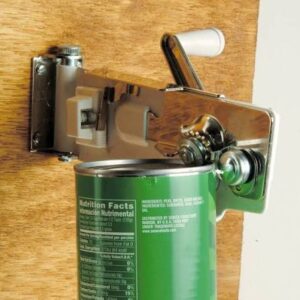
Third, the wall-mounted can opener. It sat bolted to the wall or the side of a cabinet, practical and a little heroic. No twisting wrists or bent keys — just the satisfying clink and turn as the opener chewed through a tin of tomatoes or corn. It was a small appliance with a big role, and it never seemed to get lost like the handheld ones. Children watched grownups use it and learned the rhythm of meals being prepared. It symbolized a time when tools were fixed in place, just where you expected them, a landscape of dependable hardware that made kitchen labor efficient and almost ceremonious.
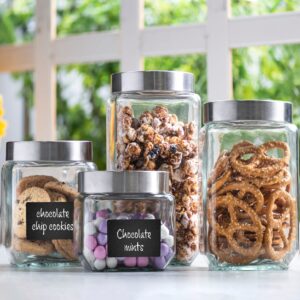
Fourth, the glass cookie jar on the counter. Clear, round, and always suspiciously full, it was an unspoken pact: parents left it filled but not bottomless, children left with sticky smiles and furtive crumbs on their shirts. The jar’s clinking lid was a siren call for midafternoon sneaks and bedtime bribes. It sat in a spot you could reach in one smooth motion while stirring the pot, and it became a bank of tiny pleasures: oatmeal cookies, chocolate chip, butter cookies that tasted like nostalgia. The cookie jar was less about the cookies and more about the ritual of coming together for a small, shared joy.
Fifth, the milk box on the porch with its glass bottles. Each morning, a milkman placed chilled bottles in a neat crate at the doorstep, caps glinting like small moons. The glass held cream that rose to the top; you’d tip the bottle and skim a little richness into your cereal or coffee. Milk delivery was a neighborhood choreography — predictable, local, and intimate. There was a connection to where food came from that modern convenience delivery seldom replicates. These bottles were returned, washed, and reused, a loop of utility and modest sustainability that quieted the day’s rush.

Taken together, these five objects tell a story of durability, ritual, and texture. They weren’t flashy innovations; they were dependable fixtures that shaped daily rhythms. You didn’t just use them — you lived by them. Modern kitchens are sleeker and smarter, but these pieces carried the kind of warmth that comes from being used, repaired, and remembered. Spot them in the photo and you’re not just recognizing items; you’re stepping into a litany of small domestic rites: setting the table at six, tapping a spoon against a jar lid, opening a bottle of milk, and hearing the comforting hum of a machine that had been part of the family for years.